

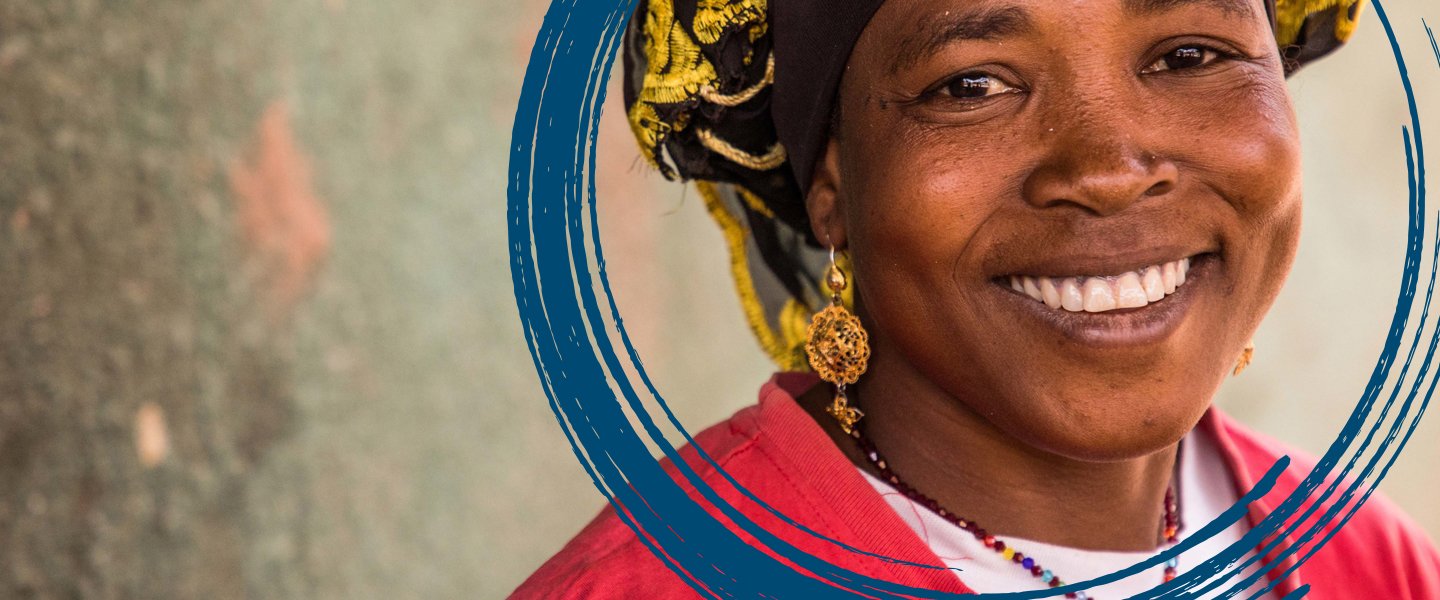

Partnership Aims to Connect 300 Million to Electricity by 2030
The World Bank Group and African Development Bank initiative could halve the number of people in Africa living without electricity access.
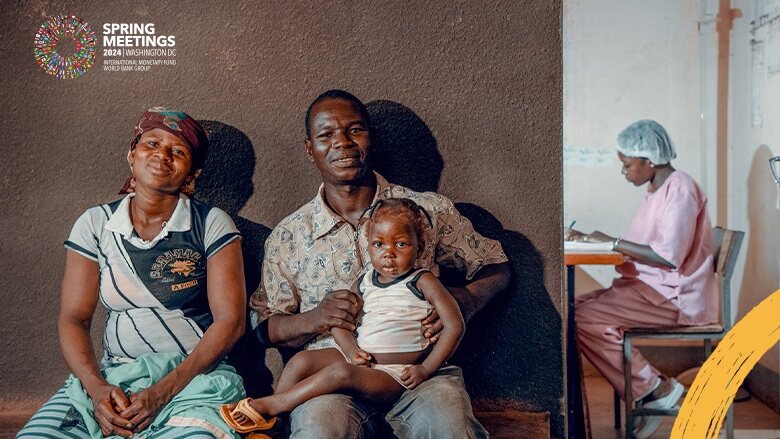
World Bank Group Aims to Expand Health Services to 1.5 Billion People
The World Bank Group announced an ambitious plan to support countries in delivering health services, focused on improved affordability, expanded geographic reach, and increased scope.

New Financing Tools and Co-Financing Platform
During the Spring Meetings 10 multilateral development banks launched a new co-financing platform and 11 countries committed $11 billion for new financing tools for global development.
Learn About Our Priorities
-

Food Security
Food security is defined when all people, at all times, have physical and economic access to sufficient safe and nutritious food that meets their dietary needs and food preferences for an active and healthy life.
-

Climate Change
Climate change, poverty, and inequality are the defining issues of our age. The World Bank is the biggest multilateral funder of climate investments in developing countries.
-
World Bank Data
The Open Data site is designed to make World Bank data easy to find, download, and use. All of the data found here can be used free of charge with minimal restrictions.
-

Evolution Roadmap
The World Bank, led by its Board and shareholders, has embarked on a process to evolve its Vision and Mission, Operating Model, and Financial Capacity, as detailed in the Evolution Roadmap.


Join Us


Access the World Bank's portfolio of more than 12,000 development projects, including current and historical data since 1947.


Research
We provide analysis and advice for developing countries


