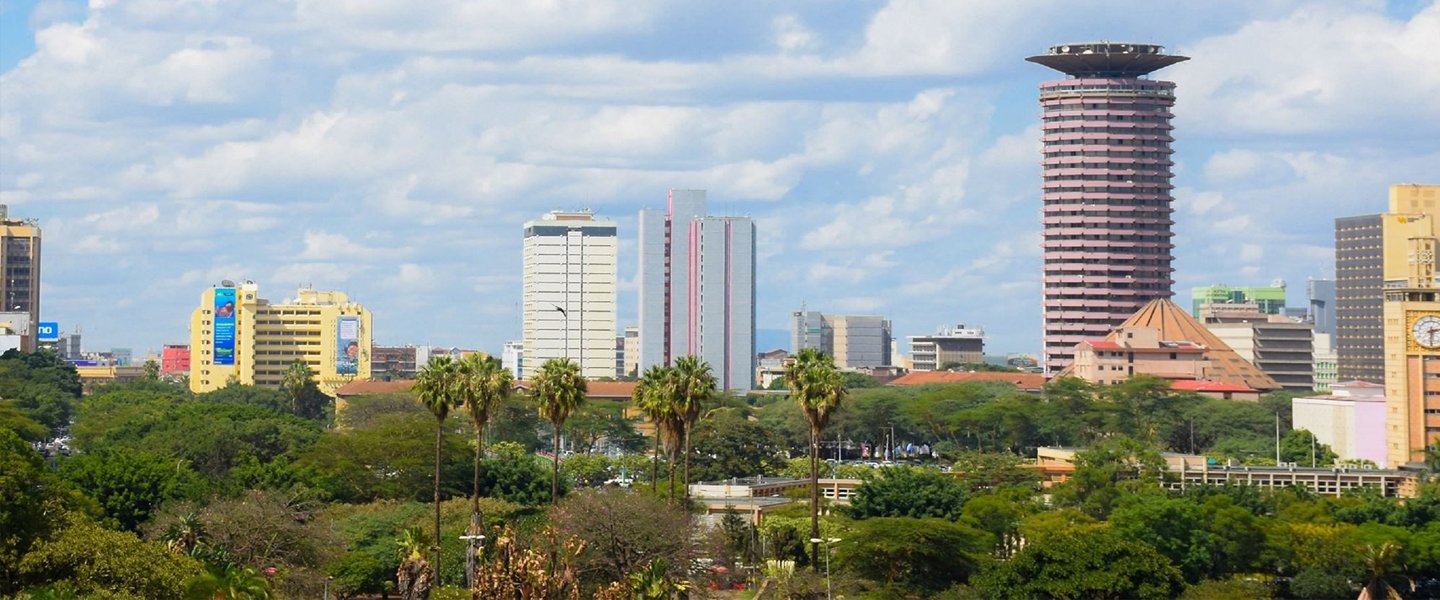
Name: Republic of Colombia Population: 46.7 million (2008) Capital: Santa Fe de Bogota Other major cities: Medellin, Barranquilla, Cali Area: 440,831 sq miles Currency: Peso GNI per capita: $3,250 (WB, 2007) Main exports: Petroleum, coffee, coal, emeralds, flowers, bananas Language: Spanish Religion: Predominantly Roman Catholic (90%) Life expectancy: 69 years (men), 77 years (women) WB Development Indicators
Violence has been a feature of Colombian life for past half century. A decades-long conflict involving illegal armed groups plus the continuous battle against the drug cartels have ravaged this country of significant natural resources and diverse cultures.
Inequality and lack of opportunities have provided fertile ground for the left-wing guerrillas who in turn gave rise to right-wing paramilitary groups. Both groups have delved into the lucrative drug business and kidnapping to fund their movements.
The U.S. has contributed considerably to Plan Colombia, a counternarcotics program aimed at interdicting and eradicating drugs at the source as well as expanding the capacity of Colombian military, police, and judicial institutions.
In 2002, Alvaro Uribe came to office on a platform to restore security as a means toward prosperity and peace. Under his presidency, the murder rate and the incidence of kidnapping have fallen.
Reelection
Uribe’s high approval rating saw him reelected in 2006 and he has continued with a hard-line policy in his dealings with guerrillas and paramilitaries.
The government started a complex demobilization process with right-wing groups and scored major military successes against the rebels.
The Colombian president was Washington's chief ally in the region during the Bush administration, and he has made the signing of a Free Trade Agreement with the U.S. one of his main priorities.
But his relations with leaders in neighbouring countries, especially Venezuela’s Hugo Chavez and Ecuador’s Rafael Correa, have been tense. Nevertheless, he still enjoys broad domestic support and there is a current national debate to decide if he would be eligible for a third presidential term.
The economic impact of the civil conflict is significant: if Colombia had been in peace for the last 20 years, the per capita income of the average Colombian would be 50% higher today, and it is estimated that 2.5 million children would live above the poverty line.
While other Latin American and Caribbean nations are fighting against inequality, poverty or violence, Colombia has to face all three at the same time. Despite advances in the subject, poverty remains one of the country’s main challenges, alongside inequality, which is one of the highest in Latin America.
The Uribe administration has maintained prudent fiscal policies and has pursued tough economic reforms including tax, pension, and budget reforms that have shown results.
The unemployment rate has significantly dropped during his tenure and the average annual economic growth rate of over 5% from 2002 to 2007 can be attributed to an increase in domestic security, resulting in greater foreign investment, prudent monetary policy, and export growth.
Global crisis
However, in the last trimester of 2008, Gross National Product (GNP) went down 0.7 percent in comparison to the same period the year before, according to National Administrative Department of Statistics (DANE).
Unemployment also went up in February 2009 in comparison to the same period of the previous year.
In the face of the international financial crisis the government is implementing a multimillion dollar stimulus package with the prospect that it will lead to a greater number of jobs.
According to the Bank of the Republic (Central Bank), the growth of GNP will go down 1%. Official concern in dealing with poverty persists and the government is working on structural reforms to raise its level of income per capita, although poverty and inequality rates continue to be elevated.
Priorities
A major issue to look forward to is the eventual approval and signing of the Free Trade Agreement with the United States. Although the Colombian economy has shown solidity, there are certain categories, like agriculture, where small scale producers will have to go through an adjustment period.
The approval of reforms such as the fiscal one is also important in order to consolidate the economic growth registered these last years. Colombia also needs investments in infrastructure to consolidate growth.
Achieving a sustainable peace agreement is another priority factor for Colombia’s economic and social development. Colombian authorities are sure that ending violence is a long term challenge that will require efforts from several administrations.
The Country Partnership Strategy (CPS) covers the fiscal periods 2008-2011 and proposes to maintain an active credit program from the International Bank for Reconstruction and Development (IBRD) of up to $4.000 million (about US$1.000 million per year), together with a program that includes greater activity by the International Finance Corporation (IFC) in the range of $300 - $400 million per year, complemented with a diverse array of analytical and consultancy services, as well as specialized subsidies.
Strategic Elements of the CPS with Colombia 2008-20011
Reduction of poverty and equal opportunities.
Peace
Equitable and sustained growth.
Environmental and natural resource management.
A State at the service of its citizens: efficient and effective government.
The priorities of the CPS include advances in economic progress specifically focused on the poorest sectors, as well as improving the government’s operational efficiency and transparency.
The Bank supports Colombia’s efforts to reduce poverty and increase economic growth. A package of more than US$1.2 billion was approved in December to help reduce the effects of the economic confusion.
There are, at present, 19 projects with World Bank financing that are being executed in Colombia, and 2 donations. Among them:
Second Student Loan Support Project, APL Phase I: $300 million loan to support the Colombian Institute of Educational Credit and Technical Studies Abroad (ICETEX) finances the access to higher education by students from low-income families.
The ICETEX has put special emphasis on those students that enroll in technical and technological post-secondary education programs.
The educational scholarships allow partial payments at very low interest rates during the period of study, one-year grace period after graduation, a long (but flexible) maturity period of up to 22 years, subsidy of interest rate for the neediest students, advance payments without penalties, the option to postpone any payment for up to two semesters and the option to restructure the loan.
Peace and Development Project: $30 million aimed at increasing the assets of the vulnerable population in order to reduce displacement risks and restore the livelihoods and social fabric of 20,000 households that are currently displaced by the civil conflict.
Integrated Mass Transit Systems: $250 million to develop high quality and sustainable rapid transit systems in large and medium cities in Colombia, in order to improve mobility between the most strategic public transportation corridors, as well as improving access for poor people through fare integration.
International Finance Corporation (IFC) The IFC´s investment in the private sector in Colombia is already over $1.000 million in strategic sectors, which puts Colombia in third place in IFC investments in Latin America, after Brazil and Argentina, and in eighth place among the 114 emerging economies in which IFC invests throughout the world.
Multilateral Investment Guarantee Agency(MIGA) MIGA has been working to promote both Colombian investments in neighboring countries and foreign investments in Colombia. The availability of MIGA guarantees is being marketed as a risk mitigation tool for investments in Colombia. MIGA also disseminates information on investment opportunities in Colombia.
Global Environmental Facility(GEF) GEF supports projects in the areas of biodiversity, climate change, international waters, land degradation, ozone depletion, and persistent organic pollutants.


