Click here for search results

Completed and Forthcoming Reviews

Completed Reviews
•Global Invasive Species Program 
•Global Forum for Health Research  
•The Global Development Network
•Consultative Group to Assist the Poor 
•International Land Coalition 
•Association for the Development of Education in Africa  
•Population and Reproductive Health Capacity Building Program 
•Critical Ecosystem Partnership Fund  
•Cities Alliance   
•Development Gateway Foundation   
•Medicines for Malaria Venture 
 The Development Potential of Regional Programs  
•The ProVention Consortium 
•The Financial Sector Assessment Program 
•Addressing the Challenges of Globalization (Phase 2 Report)  
•The CGIAR at 31 
•The World Bank's Approach to Global Programs (Phase 1 Report)  
 

Forthcoming Reviews - Global Program Reviews


Completed Reviews
gisp coverGlobal Invasive Species Program September 2009
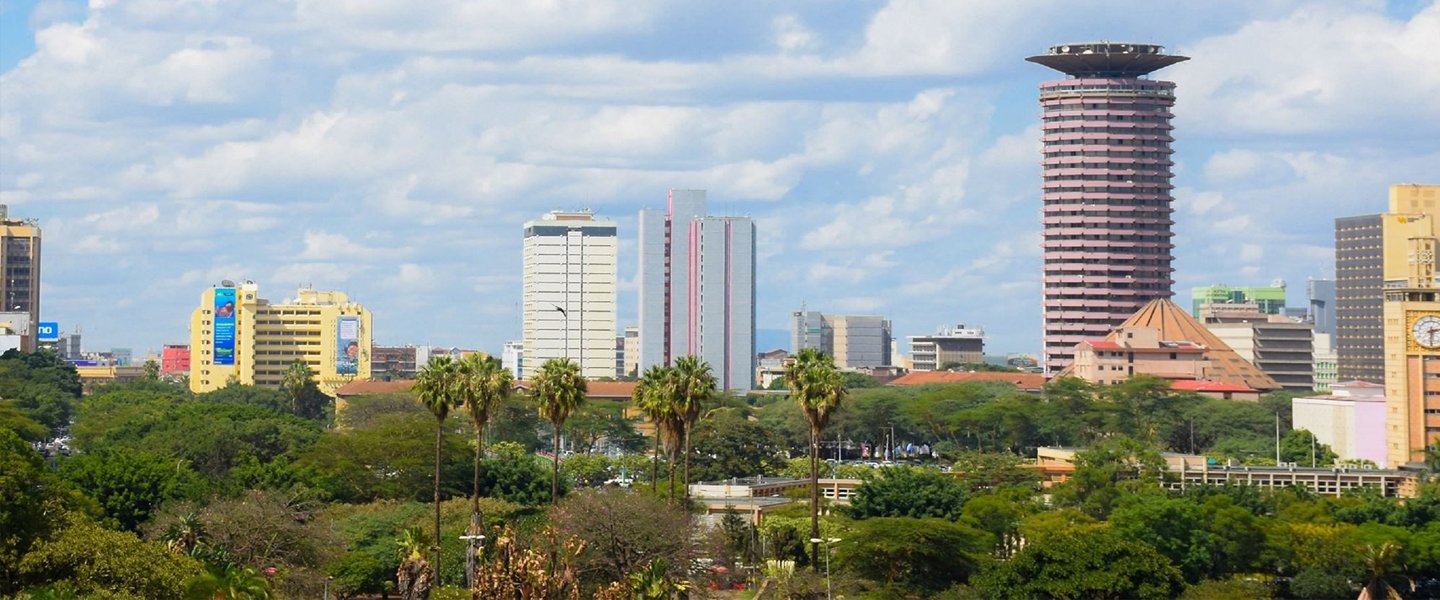
The Global Invasive Species Program (GISP) is a global partnership—located in the Centre for Agriculture and Biosciences International (CABI) in Nairobi, Kenya—whose mission is to conserve biodiversity and sustain human livelihoods by minimizing the spread and impact of invasive alien species (IAS). GISP was launched at the 2nd Trondheim Conference on Biodiversity in July 1996. Based on a clear international consensus on the relevance of the program’s mission, the World Bank provided grants from its Development Grant Facility to support the core costs of the GISP Secretariat from 2004 to 2006. GISP has made a major contribution to the development and dissemination of IAS-related information, through production of toolkits and manuals, promotion of good practices, and development of training courses to help strengthen IAS capacity at the country level, especially in Africa. But GISP was unable to leverage the Bank’s contribution to raise other significant funding to help cover core costs, expand its partnership beyond its four founders (CABI, the World Conservation Union, the Nature Conservancy, and the South African Biodiversity Institute), or assure financial and programmatic sustainability for the long term. Achieving the program’s mission will require a broader partnership base, a clearer focus on providing global goods and services different from those of its four partners, and new and expanded sources of finance. Although the World Bank is no longer a financial partner of GISP, apart from some finance channeled through the Bank-Netherlands Partnership Program, it needs to continue to address the weak linkages that have existed between attention to IAS in its project portfolio and the threats posed by IAS to desired development gains.
gfhr miniGlobal Forum for Health Research June 2009
The Global Forum for Health Research is an advocacy program established in 1998 to promote health research on the problems of developing countries. The Global Forum has become known as the principal advocate of bridging the "10/90" gap—a metaphor for the global imbalance in spending on health research that suggests that less than 10 percent of global health research expenditures are being devoted to developing countries where more than 90 percent of preventable mortality is to be found. The Global Forum seeks improved priorities in health research and innovation, with particular attention to equity. This review found that the Global Forum has been somewhat effective. Although the funding of Global Forum core activities has been stable, its total support from donors has fallen, and the World Bank— a key partner from the beginning—currently plans to phase out its financial support. The growth in global spending on health research, to $160 billion annually, increases the relevance of an advocacy effort to promote spending on the health problems of low- and middleincome countries, but the resources available to the Global Forum have been dwarfed by those available to major commercial, philanthropic, and public financiers and promoters of health research. The Global Forum needs to focus its activities and seek broader and deeper engagement with the largest funders of health research and the commercial private sector.
 
gdn evaluationThe Global Development Network  May 2009
The Global Development Network (GDN) was launched in December 1999 as global program with its Secretariat in the World Bank. GDN is now an independent international organization with its headquarters in New Delhi, India. From the outset, GDN’s program objectives have been to generate policy-relevant development research from within developing and transitional countries, to build the research and policy outreach capacities of researchers in those countries, and to promote the use of research in policy-making processes. To achieve these objectives, GDN has sponsored five core activities: (1) regional research competitions, (2) global research projects, (3) an annual conference, (4) a Global Development Awards and Medal Competition, and (5) GDNet—a Web-based source of knowledge, information, and services. A 2007 external evaluation concluded that GDN had provided relevant services that showed evidence of research capacity built and knowledge generated, along with limited evidence of enhanced outreach to policy makers. IEG’s Global Program Review has also found GDN’s program objectives to be relevant, but progress on advancing these objectives to be more modest. This modest record reflects the lack of explicit, state-of-the-art strategies that incorporate GDN’s various activities into systematic approaches for advancing its objectives. In addition, GDN had not fully developed effective working relations with its 11 constituent regional network partners—an issue acknowledged by GDN as a priority in its own 2008 strategic review.
cgap

Consultative Group to Assist the Poor  December 2008 
Established in 1995, the
 Consultative Group to Assist the Poor (CGAP) is a consortium of public and private agencies located in the World Bank with the mission of expanding access to financial services for the poor. During its third phase (2004–08), CGAP pursued five strategic priorities: (a) promoting institutional diversity, (b) promoting diverse financial services to a broad range of clients, (c) building financial market infrastructure, (d) fostering sound policy and legal frameworks, and (e) improving the effectiveness of microfinance funding. Its activities focused on providing advisory services, developing and setting standards, advancing knowledge, and training and capacity building. An external evaluation, conducted in 2006–07, concluded that CGAP is a powerful and pivotal force in the microfinance field, playing a critical role in helping to build inclusive financial systems. IEG’s Global Program Review (GPR) also found that CGAP has strong relevance and effective governance. CGAP’s achievements in terms of activities and outputs were also impressive during 2004–08, but there is little systematic evidence relating to its achievements at the outcome level, or their attribution to CGAP’s activities due to weaknesses in its monitoring and reporting system. Therefore, both the external evaluation and the GPR concluded that CGAP needs to do more with regard to measuring, monitoring, and evaluating its outcomes. CGAP’s Council of Governors has recently approved a new strategic plan for 2009–13, including improvements to its monitoring system.

ilc miniInternational Land Coalition June 2008
The organization which is now called the International Land Coalition (ILC) was founded in 1996 following the Conference on Hunger and Poverty in 1995 in Brussels. Located in the International Fund for Agricultural Development in Rome, it is a global alliance of civil society and intergovernmental organizations to promote secure and equitable access to and control over land for poor women men through advocacy, dialogue, and capacity building. Making concrete progress on an issue such as land, with its enormous political hurdles, has proven particularly challenging. Nonetheless, the ILC has made a moderate contribution, with limited resources, to land reform and improved administration in some countries. Following an External Evaluation in 2006, the ILC embarked on a proactive change process which has met agreed-upon milestones such as expanded membership, greater regionalization and increased donor funding. IEG’s review concludes that the ILC could usefully revisit its nexus of membership and advocacy, should improve its monitoring and evaluation, and should better utilize its global and regional meetings to agree on specific actions rather than restating principles. The World Bank’s task team leaders could also have been more pro-active in some areas and would have benefited from a strategically focused terms of reference giving appropriate direction and continuity of purpose.
adea min

 Association for the Development of Education in Africa March 2008
Over the course of almost two decades, ADEA has become the premier forum for educational policy development and agency cooperation in Africa. Its influence is largely a consequence of its growing legitimacy (it now includes as partners all African ministries of education and all major development agencies active in African education) and its relevance (the focus of its work has evolved along with the region’s educational issues). However, such a high level of legitimacy has had costs in terms of its efficiency. These concerns are now being addressed with the formulation of a new strategic plan for 2008–2012 and the establishment of an Executive Board to manage the operation, thereby enabling its Steering Committee to focus on more strategic and substantive matters. ADEA’s convening power has enabled it to promote policy dialogue and analytical work on African educational problems through a variety of forums such as biennial meetings, technical gatherings, and 15 working groups.

CIGAR-1

Population and Reproductive Health Capacity Building Program March 2008
PRHCBP has provided US$18.3 million in grants since 1999 to develop and document cost-effective interventions to improve sexual and reproductive health as well as strengthen the capacity of grass-roots NGOs to carry out such interventions at the country level. IEG found that the program's objectives are highly relevant. But this alone is not sufficient to justify its continued operation in the absence of a well-articulated program design or evidence of results, and since the global community is increasingly mobilized and active in addressing the same global concerns. Although the program is managed entirely within the Bank, its administrative budget has been inadequate to efficiently manage the program, and its linkages with country operations have historically been weak. The program has taken actions to select NGO grantees more strategically and has expressed its intent to follow-up on evaluation recommendations to articulate the program's logic more clearly and improve monitoring of results.

CIGAR-1Critical Ecosystems Partnership Fund December 2007
The Critical Ecosystem Partnership Fund (CEPF) is a global partnership housed in Conservation International (CI) between CI, the World Bank, the Global Environment Facility, the MacArthur Foundation, the Government of Japan, and the French Development Agency that provides grants to NGOs and other private sector partners to protect critical ecosystems (ecological hotspots) in developing countries. During its first phase (December 2000 to June 2007), CEPF awarded approximately 1,000 grants to more than 600 NGOs, community groups, and private sector organizations in 33 countries. Averaging $16-17 million a year, CEPF grants have supported the expansion and enhanced management of protected areas, the promotion of alternative sustainable livelihoods in production landscapes, and environmental education, awareness and capacity building. An external evaluation conducted during the fall of 2005, found that CEPF had made strong progress during its first five years. However, there was some variation in the performance of individual hotspots, and the scope of the evaluation was limited by a lack of assessment of individual grant outcomes. As of March 2007, CEPF had contributed to the creation or expansion of 9.4 million hectares of protected areas in 15 countries, and CEPF activities in protected area buffer zones and production landscapes were, for the most part, achieving their environmental objectives. However, there is to need to better understand how these interventions are affecting the livelihoods of the people living in these areas. The major partners have recently approved a second phase for the program.
 
 ca miniCities Alliance July 2007
Founded in 1999 to help implement the "Livable Cities" agenda of the U.N. Human Settlements Conference in Istanbul, the Cities Alliance is a partnership of 17 donors and other stakeholders, including developing country and city association members. To date, the UK has been the largest financial contributor, with the Bank in second place. Through US$90 million of grants to urban practitioners worldwide to date, the Alliance finances technical assistance for preparing City Development Strategies (CDS) and Slum Upgrading. Concentrating upon these two topics since its inception has given the Alliance a clear focus and a comparative advantage in these areas. Where its objectives have been clear, the Alliance has achieved these, but some objectives need to be re-formulated more clearly. Other findings of IEG's Review include: (1) Sustained excellence in the quality of its work requires the Alliance to remain focused upon its two core activities; (2) The Alliance needs to ensure that its own products are clearly differentiated from those of the World Bank; (3) The technical work of the Alliance Secretariat could be strengthened in a number of areas, notably in monitoring and evaluation and in financial reporting. To become the top-rated global manager of CDS and Slum Upgrading, the Alliance needs to make its achievements better known, its objectives better understood, and what it must do to fulfill these objectives better recognized.
dgf miniDevelopment Gateway Foundation July 2007
The Development Gateway Foundation provides Web-based tools to make aid and development efforts more effective. It provides governments and development professionals with Internet solutions in two areas of high impact -- improving aid effectiveness and strengthening public sector governance by increasing transparency. The IEG review found that the Gateway's objectives have become more focused on the international aid effectiveness agenda than when it was established in 2000. The management of the Gateway has also followed up on most of the specific recommendations of the external evaluation of the program in 2005, including moving towards more of a stakeholder model of governance. Many of the lessons of the Gateway are shared with other knowledge initiatives that were started in the World Bank at around the same time with the intention of being "spun off." From the beginning, a strategy for a global program needs to establish the degree to which the program provides public goods (global or national) as opposed to private goods, and both its funding and exit strategies need to be consistent with this concept.
mmv miniMedicines for Malaria Venture July 2007
The Medicines for Malaria Venture is a public-private partnership that was established in 1999 to fund and manage the discovery and development of new anti-malarial drugs in response to the increasing incidence of and mortality from malaria, the declining efficiency of first and second line treatments, and the withdrawal of major pharmaceutical firms from developing new anti-malarial drugs. This review found MMV to be an effective program that is efficiently managing a portfolio of candidates for new malaria drugs through the various phases of drug discovery and clinical development that precede formal registration with public authorities and marketing in the public and private sectors. MMV's success in fund-raising has permitted it to establish a strong pipeline of new malaria drugs that are expected to be affordable in developing countries. MMV's decision to expand its activities to encompass facilitating the access and delivery of its malaria drugs raises new policy and institutional challenges for MMV as well as new opportunities for exploiting synergies with the World Bank's country operations. Effective coordination and consultation with other key players at the global and country levels will also be essential.
regional programs mini coverThe Development Potential of Regional Programs March 2007 (publication | website)
This evaluation focuses on World Bank support for multi-country regional programs over the period of 1995-2005. These are defined as programs that aim to accomplish development objectives in three or more countries in the same Bank-defined region or contiguous regions and that involve some degree of interaction among participating countries. The purpose of this evaluation has been to contribute to an understanding of when it makes sense for the Bank to support activities on a regional level, and to assess the effectiveness of both regional programs and the Bank's role in supporting them. A key motivation for undertaking this evaluation has been the increasing interest in regional development efforts. Among other things, in the evaluation addresses whether there is scope for scaling up these kinds of efforts.
CIGAR-1

The ProVention Consortium July 2006
The ProVention Consortium was created in February 2000 to reduce the social, economic and environmental impacts of natural disasters on vulnerable populations in developing countries. The IEG review found that ProVention is a relevant and innovative program. Its record in bringing about change at the global and country level in a relatively short amount of time has been impressive. ProVention was largely successful in achieving its objectives of networking, advocating, implementing activities, and disseminating research findings and best practices. But its informal governance structure, which ProVention established at the outset and which has contributed to its flexibility, has also come at a cost in terms of accountability.

fsap cover small
The Financial Sector Assessment Program 2006
Following the financial crises of the late 1990s, the World Bank and the IMF initiated the FSAP to carry out in-depth diagnoses of the vulnerabilities and development challenges of financial sectors in client countries. As of late 2005, about 109 country assessments and 18 updates had been completed or were ongoing, and had involved substantial Bank resources. This evaluation focuses on reviewing aspects of the FSAP that affect the attainment of its objectives, specifically the relevance of the program, the quality and effectiveness of inputs and outputs, and the impact of the assessments on different audiences.
PHASE 1

Addressing the Challenges of Globalization (Phase 2 Report) December 2004
This is the final report of IEG's four-year review of the Bank's involvement in global programs. It is based on an in-depth review of the relevance, efficacy, governance, financing, and Bank performance in 26 case study programs. It draws cross-cutting lessons regarding the objectives, design, implementation and evaluation of global programs.

Case studies are available for some of the 26 programs included in the study. These drew on external evaluations of the programs (where these existed), supplemented by interviews with program management and partners, and updated investigations of results. Listed by thematic area:

Environment and Agriculture

Health, Nutrition & Population

Social Development & Protection

Trade & Finance

Information & Knowledge

CIGAR-1

The CGIAR at 31: An Independent Meta-Evaluation of the Consultative Group on International Agricultural Research May 2003
This meta-review of the first - and still one of the three largest global programs in which the Bank is involved - is the most extensive of the 26 case studies for the Phase 2 Report. The review is in three volumes: The
 Overview Report (Part 1) addresses strategic questions regarding the organization, financing, and management of the CGIAR as these have affected research choices, science quality, and the Bank's relationship to the CGIAR. The Technical Report (Part 2) explores the nature, scope, and quality of the System's scientific work, assesses the scope and results of the reviews, and analyzes the governance, financing, and management in the CGIAR. The Annexes (Part 3) provide supporting materials.

Thematic Working Papers:


Country Case Studies:

Phase One CoverThe World Bank's Approach to Global Programs (Phase 1 Report) August 2002
The first in this series of three evaluation reports, this was based on a portfolio review of the 70 programs in which the Bank was involved in 2001. This report mostly addressed the Bank's internal support and oversight processes for managing its portfolio of global programs.
 
Forthcoming Reviews 
Global and Regional Program Reviews
IEG's Global and Regional Programs Reviews (GRPRs) are based upon a prior external evaluation of the global or regional program, typically commissioned by the governing body of the program. They are similar to regular IEG reviews at the project level such as
 Project Performance Assessment Reports (PPARs) and at the country level such as Country Assistance Evaluations (CAEs). GRPRs provide (1) an assessment of the independence and quality of the external evaluation that has been completed, (2) an independent opinion of the program's achievements, and (3) an assessment of the Bank's performance as a partner in the program. GRPRs also identify and disseminate lessons learned from experience. The guidelines for GRPRs draw upon the evaluation framework in IEG's Phase 2 Report, the three pilot GRPRs which IEG completed in FY06, and the Sourcebook for Evaluating GRPPs.

A key difference between GRPRs and IEG reviews of investment projects and country programs is that global and regional programs are partnerships in which the Bank is only one of several partners, and therefore only one of the members of the governing body which is responsible for overseeing the program. Another difference from investment projects is that most GRPPs are ongoing, rather than completed.


Permanent URL for this page: http://go.worldbank.org/3AS9R002M0


