Click here for search results
Online Media Briefing Cntr
Embargoed news for accredited journalists only.
Login / Register

Morocco: More than Just a Road

dev360morocco-truckA national roads program was launched in Morocco in 1995. It coincided with the launch of another program to bring drinking water and electrification to rural areas. The government set an ambitious target for the roads program: 10,000 kilometers either paved or upgraded from dirt to gravel between 1995 and 2005. The benefits of a new road go beyond gas and milk delivery to services such as health and education.
-- Resources --
Full Story (PDF)
English | French
Audio clip
Project
 

The World Bank in Morocco

 Also available in:
Español | Français

“You can’t kick-start development in rural areas if you don’t have infrastructure.”
--Ahmed Imzel

dev360morocco-infra
In Morocco, poor rural roads leave many villages isolated during the rainy and snowy seasons. Health treatment is too far away, children’s schooling is easily interrupted, shopping is difficult. To overcome this, a national roads program to upgrade 10,000 kilometers in a decade was launched in 1995. A new program will do another 15,000 kilometers by 2015. The new roads are bringing with them access to schooling, health care, and services—and paving the way to better lives for rural Moroccans. 

dev360morocco-horse

“It’s better now. People are happier.”
--Ben L’Habib L’Houssain

Before an all-weather road came to the village of Ait Igda in Morocco’s High Atlas Mountains, it took Ben L’Habib L’Houssain two hours to get his fresh milk to market by mule. Now it takes only half an hour in a minivan taxi. The road has had other benefits as well. The village receives regular gas deliveries. Access to services such as health care in Demnate, a nearby larger town, has become easier. “Earlier, you could have a nightmare situation—people would die on the way to Demnate for health treatment,” L’Habib L’Houssain notes.

“Now we can get supplies in once or twice a week…It used to be like once a month.”
--Brahim Bahraoui

dev360moroccoman
A new road linking the centuries-old Berber village of Tiloghuite has opened up the once inaccessible settlement to small motor vehicles. For merchants like Brahim Bahraoui, 34, this has meant a boost for business. Supplies such as gas, cooking oil, rice, and flour can be delivered twice a week, rather than once a month. And, while he used to sell gas canisters for 80 dirhams, he now sells them for 50—with the new road, the gas is cheaper, and he’s selling more.

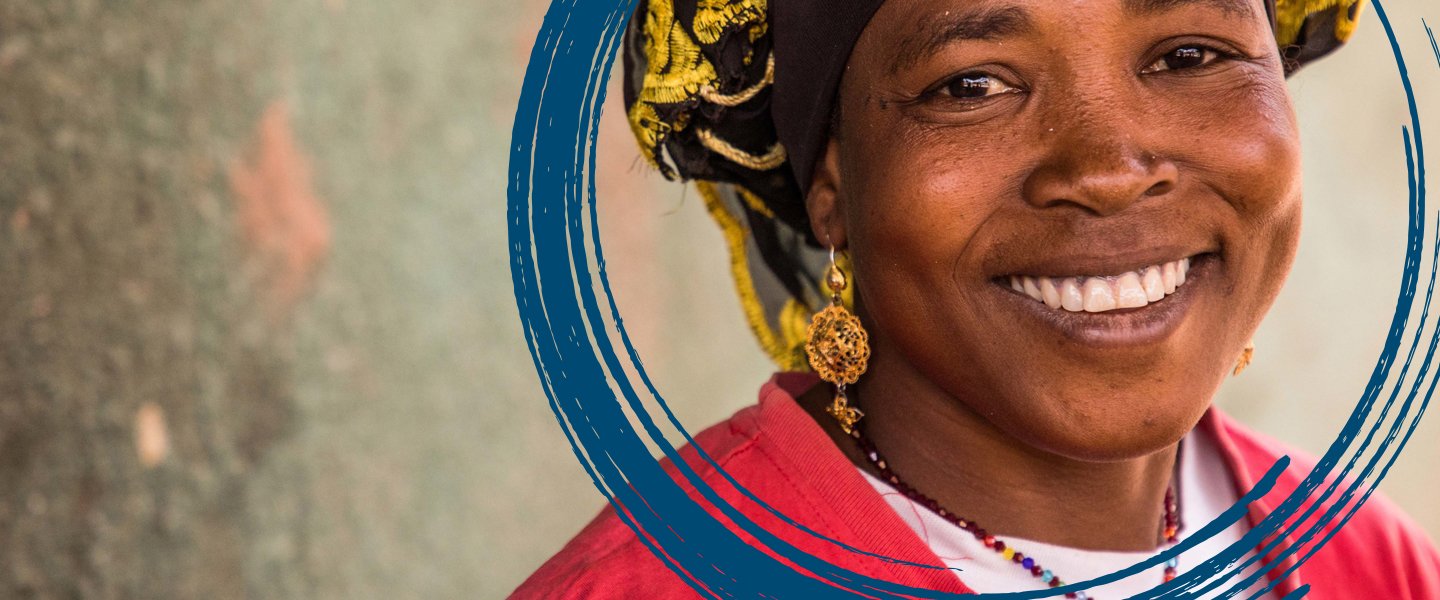
dev360morocco-woman

“Before, it was quite difficult...to buy very essential, basic things.”
--R’Kia Khannafour

Before a road linked the small village of Tiloghuite in the Atlas Mountains to its administrative center of Ouaouizert, people used to have to travel by mule to do their official business. Now Santana-model Land Rover taxis ply the route daily. R’Kia Khannafour, Tiloghuite’s deputy mayor, explains the improvement. “To get an official paper or certificate…something that costs 3 dirhams [$0.30], you would end up paying 50 or 100 dirhams extra in transport—just to get something that is worth practically nothing.”

Updated May, 2004


Related News

New World Bank Report Calls for a Level Playing Field for Business in the Middle East and North Africa Region
Africa to Receive $1.1 billion in New Financing for Climate Action
The World Bank Group Reinforces its Support to MENA Countries in response to the Global Financial Crisis


Permanent URL for this page: http://go.worldbank.org/YHE7RDP3O0



