
At A Glance: - The carbon market has demonstrated that it is an effective tool to reduce greenhouse gas emissions and to transfer financial resources and clean technology to developing countries.
- The World Bank’s initial role was to catalyze the global market for carbon emission reductions, by creating the Prototype Carbon Fund in 1999. Today, the Bank is the Trustee of 12 carbon funds and facilities, capitalized at $2.7 billion, of which $1.9 billion has already been committed to the purchase of emission reductions.
- For the third year in a row, project-based carbon transactions declined in 2010, primarily due to the lack of short-term demand led by the slow economic recovery after the financial crisis in 2009 and by the regulatory uncertainties regarding post-2012 demand.
- A full recovery of market confidence in the viability of carbon markets as an effective tool for low-carbon growth will require robust regulatory solutions and increased long-term predictability in the international carbon environment.
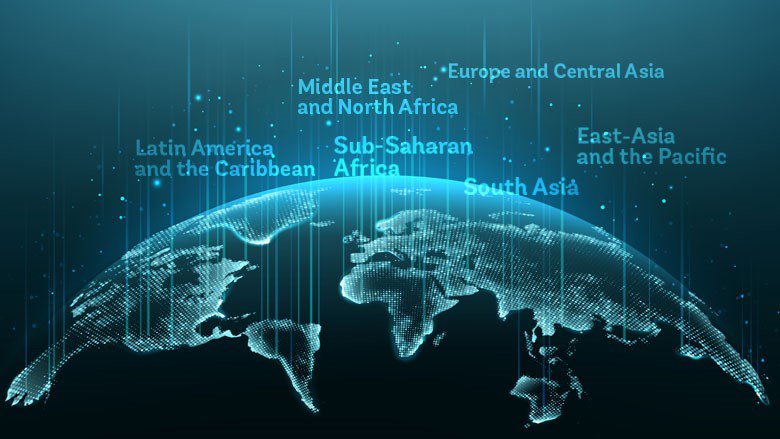
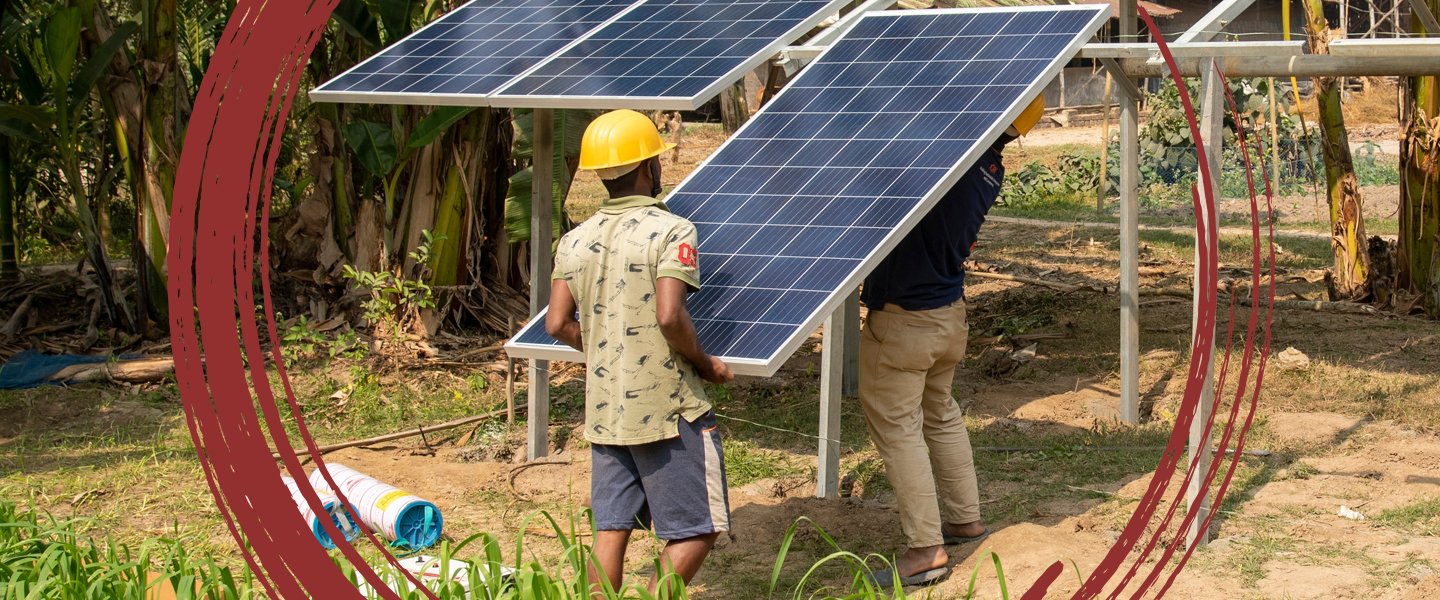
Integrating Carbon Finance into the Development Work of the World Bank From reforestation projects in Ethiopia to clean energy in Sub-Saharan Africa and renewable energy in Latin America, carbon finance has been integrated into the assistance programs of all World Bank operational regions. The aim is to deepen and broaden the Bank’s response to climate change, helping poor countries cope with climate change while still achieving economic growth, poverty reduction, and sustainable development. Initially, catalyzing the global market for carbon emission reductions was the World Bank’s role in carbon finance. Increasingly, Bank assistance programs for client countries incorporate carbon finance in regional lending operations. Carbon finance as an innovative tool for climate change mitigation is becoming integrated into World Bank development work as a whole. Carbon Finance at the World Bank Since the first World Bank carbon fund, the Prototype Carbon Fund, was conceived in the late 1990s, carbon finance has entered a stage of maturity after more than a decade of operations. Today, the Bank is the Trustee of 12 carbon funds and facilities, capitalized at $2.7 billion, of which $1.9 billion has already been committed to the purchase of emission reductions. Some 174 active projects are expected to reduce emissions of greenhouse gases by an estimated 220 million metric tons of carbon dioxide equivalent. About twenty-five governments and government agencies, and 65 private companies from various sectors have made financial contributions to these carbon funds and facilities. In addition, the World Bank is actively involved in the further development of the carbon market and of new market mechanisms to support an acceleration of mitigation efforts in its client countries. To this effect, it is managing a number of trust funds – in association with carbon funds or not – dedicated to enhancing the capacity of developing countries to consider the use of market instruments for new economic activities or sectors and to scale up these countries’ access to the carbon market. These funds, with a combined value of close to $350 million, have been set up as partnerships between developing and developed countries to foster a collaborative approach towards the further development of the carbon market. Through these funds, the World Bank is providing the global community with a valuable platform for technical work on new market instruments. For more information on the evolution of Carbon Finance at the World Bank, please see “10 Years of Experience in Carbon Finance - Insights from working with carbon markets for development & global greenhouse gas mitigation”. The Way Forward—Larger Scale and Longer Term The World Bank has taken a leadership role in the next generation carbon markets of the post-2012 period. In 2008, the Bank established two new carbon facilities—the Forest Carbon Partnership Facility (FCPF) aiming to reduce emissions from deforestation and forest degradation (REDD+), and the Carbon Partnership Facility (CPF), aiming to scale up the use of carbon finance to accelerate mitigation activities. Both the CPF and the FCPF are unique partnerships among several stakeholders designed to broaden, deepen, and extend the duration of carbon finance, making it a key instrument in bending greenhouse gas emission trajectories globally. In 2010, the Bank launched a new initiative, the Partnership for Market Readiness, to support market-based national efforts to reduce greenhouse gas emissions in developing countries. For more information, including descriptions and details of individual carbon funds/facilities managed by the World Bank, please see: http://carbonfinance.org Media Contacts: Isabel Hagbrink: (202) 458-0422, ihagbrink@worldbank.org Elisabeth Mealey: (202) 458-4475, emealey@worldbank.org Robert Bisset: (202) 458-5191, rbisset@worldbank.org Updated August 2011 |