Click here for search results
Online Media Briefing Cntr
Embargoed news for accredited journalists only.
Login / Register

Improving Governance and Fighting Corruption for Development Effectiveness

Available in: العربية, Español, 中文, Français
  • International Anticorruption Day—December 9—underscores the importance of fighting fraud and corruption in development programs worldwide, as a key to development effectiveness.
  • The World Bank addresses corruption through prevention, detection and sanctions in its own projects, and through helping countries strengthen their institutions of governance.
  • The Bank’s anti-corruption efforts helped decrease costs on infrastructure projects in Indonesia; reduce teacher absenteeism in Brazil; and increase civil service recruitment in Macedonia.

December 9, 2009—December 9 marks annual International Anticorruption Day, a day of particular significance for the World Bank Group as it seeks to enhance the effectiveness of its development work.

The Bank is enhancing its focus on strengthening anti-corruption efforts in Bank-supported projects, building capacity among partner countries, and protecting and enhancing the integrity of the Bank’s own operations, World Bank President Robert B. Zoellick said last month at the Bank’s second annual “Integrity Day.”

“We can’t just wait for corruption to happen. We need to take preventive measures, to stop fraud and corruption wherever possible, before it happens – or at least make it harder, or less likely,” Zoellick said.

Poor Governance Jeopardizes Development

Development goals can be seriously jeopardized when countries are poorly governed, and especially, when they face corruption, fraud and mismanagement.

“Our work begins and ends with the poor in mind,” said World Bank Managing Director Juan Jose Daboub. “Creating opportunities for people to take destiny into their own hands requires obstacles to be removed. One such obstacle is corruption.”

The Bank’s governance and anticorruption strategy is helping countries improve their governance systems, including by checking corruption. It is an essential plank in the Bank’s efforts to fight poverty and accelerate development.

... We can’t just wait for corruption to happen. We need to take preventive measures, to stop fraud and corruption wherever possible, before it happens – or at least make it harder,
or less likely.

– Robert B. Zoellick, President, World Bank

It is also a key way to ensure that the Bank’s development funds are channeled for their intended purpose – such as improving services to the poorest and fighting poverty – rather than siphoned off through fraud and corruption.

To that end, the Bank’s strategy supports transparency, accountability, and participation across the Bank’s portfolio in various sectors, including energy, water, transport, health, education, and natural resource management, according to the strategy’s second year progress report.

In addition, the Bank provides assistance for improving the countries’ own systems in such areas as public financial management, civil service administration, and local governance.

Bank Forms Global Initiatives and Partnerships

The Bank has also formed global partnerships – with civil society and donor partners – to make a concerted impact on governance. Bilateral partners, including the UK’s Department for International Development (DFID), Norway, and the Netherlands, have provided critical resources through the Governance Partnership Facility to move this work forward.

Other global partnerships, such as the Extractive Industries Transparency Initiative (EITI), are helping to create global coalitions to stem corruption in important areas such as the management of natural resource revenues.

Additionally, the Stolen Assets Recovery Initiative (StAR), a Bank partnership with the United Nations Office of Drugs and Crime, works with policymakers, regulators and law enforcement to facilitate and promote the recovery assets stolen through acts of corruption.

Evidence: Reform Brings Results

The impact of intensified support to good governance and anticorruption efforts is evident in many of the Bank’s operations, for example:

  • In Indonesia, when procurement for a project in Bali was made more transparent and competitive, infrastructure prices decreased by almost one-third.
  • In Brazil, when Sao Paulo implemented reforms to increase accountability for improving student learning, teacher absenteeism dropped by almost 50 % in just one year.
  • In Macedonia, when administrative reforms were introduced in civil service recruitment, merit-based appointments increased by more than two-thirds.

Strategy Fosters Transparency, Oversight, and Participation

The Bank’s anti-corruption strategy has enabled it to incorporate new and innovative approaches in operations funded through the International Development Association (IDA), the Bank Group’s fund for the poorest countries.

It has enhanced mechanisms for disclosure and transparency, monitoring of project activities by third parties, civil society oversight over project expenditures, and mechanisms for sanctions and complaints handling. Examples include:

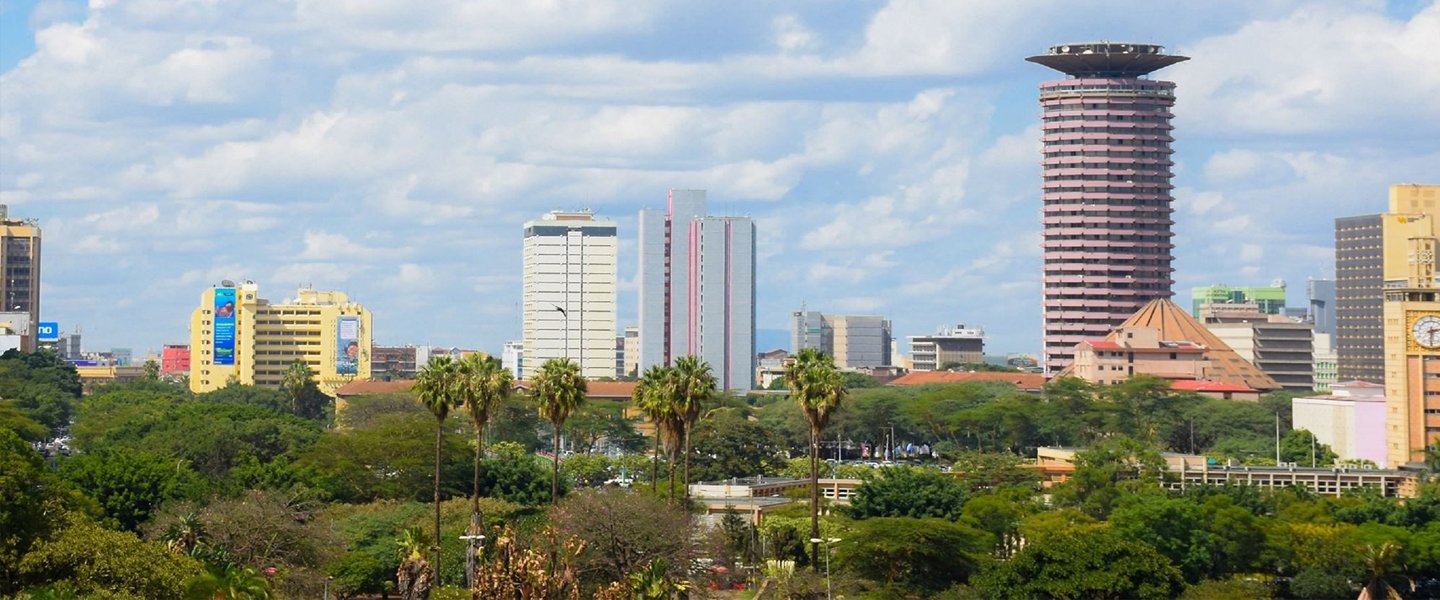
  • Kenya’s Total War on AIDS Project responded to fraud and corruption detected in projects by putting in place robust criteria for providing grants to civil society organizations, and increased external oversight and verification, building a more robust platform for sustained implementation to deal with the country’s potentially devastating AIDS crisis.
  • In Nepal, a Governance and Accountability Action Plan, emphasizing strong monitoring and evaluation efforts in the Second Higher Education Project, is addressing high governance risks – especially in procurement and financial management – to ensure that the project achieves its objectives of improving higher education and access by under-privileged groups in Nepal through reform grants and student financial assistance.

Data: Actionable Governance Indicators Help Design Reforms

One key piece of the Bank’s strategy involves making greater use of Actionable Governance Indicators (AGIs) related to political accountability, checks and balances, public sector management, civil society and media, the private sector, and decentralization and local participation.

Indicators help to design specific reforms and monitor their impacts, as well as foster greater learning from governance reform support programs.

The Bank’s AGI initiative also aims to develop new tools to cover gaps in priority areas such as human resource management/public sector management, sub-national governance and governance of service delivery in sectors.

Strengthening Integrity Inside the Bank

Following former U.S. Federal Reserve Chairman Paul Volcker’s 2007 review of the World Bank’s Integrity Vice Presidency, which is responsible for investigating allegations of corruption in Bank-financed projects, the Bank reorganized staff and now has investigative teams in every region directed at rooting out fraud and corruption.

The Integrity Vice Presidency now has a unit devoted solely to preventing fraud and corruption in the Bank’s operations and is training project staff in how to detect “red flag” indicators of wrongdoing. In addition, the number of Vice Presidency staff grew by 44% from fiscal year 2008 to fiscal year 2009, and its budget increased over the same period by more than $4 million.

“Identifying corruption risks in Bank-financed operations should not be left to coincidence. If carried out thoroughly and early enough, the integrity due diligence process will provide red flag warnings,” said Leonard McCarthy, Vice President of the World Bank’s Integrity Vice Presidency.

Bank President Zoellick said the Bank’s response on the issue will become increasingly important as the Bank Group tackles the challenges of globalization, whether through development, health or climate change initiatives.

“We’re breaking new ground on some of these issues,” he said. “We’re setting an example with our catalytic and convening power. So we must maintain the highest standards of ethical behavior. The stakes of failure on that front are far too high.”


Permanent URL for this page: http://go.worldbank.org/GK115J8GR0


