Click here for search results

India: Same Language Subtitling on TV for Mass Literacy

SLS

Brij presenting Same Language Subtitled songs to the community of Gulbai Tekra Slum, Ahmedabad on Jan. 6, 2003 

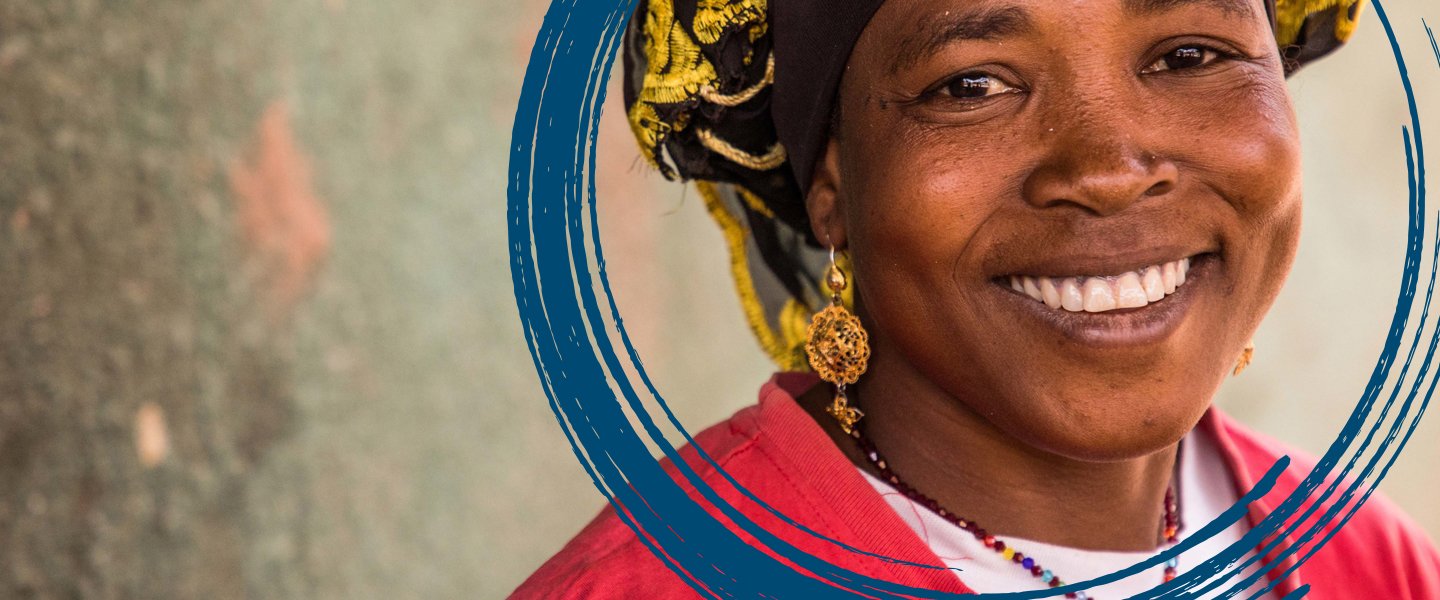
Yashodaben Cholanki lives in a village in Gujarat, and is one of 300 million “early literate” residents of India. Unable to read newspapers and fill out simple forms to receive government assistance and access other services, she and others like her have few prospects to improve their economic and social status. Yashodaben does not read much, but watches television in her village, where she can see her favorite songs in Chitrahaar, a nationally televised music video program, filled with songs from Bollywood hit movies. This, in turn, is music to the ears of Professor Brij Kothari, a literacy expert at the Centre for Educational Innovation at the Indian Institute of Management in Ahmedabad (IIMA).  At first it seems strange that a university literacy expert is using television.  But Professor Kothari, using a $250,000 award from Development Marketplace, is leading an innovative pilot that leverages existing television viewing by semi-literate villagers, for improving literacy in India.

start quote One of the Development Marketplace's most cost-effective ideas... such subtitles could be used worldwide to increase literacy and cost almost end quotenothing. 

- The New York Times

In 1997, Kothari began to pilot an approach called “Same Language Subtitling” (SLS) in select villages and schools.  This idea – subtitling the lyrics of popular song programs on television in the same language as the audio – generated results encouraging enough to warrant a 1999-2000 trial in Gujarat state in partnership with Doordarshan, India’s state broadcasting agency and the Indian Space Research Organization (ISRO).  Based on promising early results, Professor Kothari took his idea to Washington, DC in January 2002 and received one of the top awards from that year’s Development Marketplace.   

The new funds enabled SLS to roll out on a national scale across India. Kothari’s institute, IIMA, partnered with Doordarshan to provide Hindi subtitling on Chitrahaar – India’s longest running nationally telecast Hindi program – starting in August 2002.  The lyrics from the hit songs of Bollywood movies are subtitled in Hindi, and word for word, as the lyrics change color in perfect timing. The songs in the music videos are hugely popular and the lyrics well-known. SLS builds on people’s knowledge of the lyrics enabling partially literate people to anticipate the sub-titles and read along as hearing and reading reinforce each other. 

On the surface, SLS appeals to the country’s appetite for song lyrics, but below the surface SLS helps to reinforce reading as a way of life in even the remotest villages of India.  Nascent reading skills, perhaps picked up during national literacy campaigns’ visits to villages, or perhaps a result of some limited primary school exposure, are reinforced weekly. An added bonus to raising the skills of the semi-literates, SLS increases print exposure among pre-reading children in at-risk, low-income households, providing a critical foundation for their literacy skills in later years. In short, the approach aims to make literacy a byproduct of television entertainment. 

Children in India improve their literacy watching same language subtitling

Watching subtitled songs in Memnagar school, Ahmedabad (Oct. 5, 99)

Although implementation began less than a year ago, results to date are promising, both for Chitrahaar and for the beneficiaries of the project.  Kothari’s team engaged Nielsen’s ORG-MARG to do an independent benchmarking of baseline literacy levels of 12,500 target viewers in five states (UP, Bihar, Rajasthan, MP, and Gujarat), and the team is now tracking progress against this baseline over time.  Initial findings have demonstrated high popularity and promise, including:

  • 90% popularity of the SLS version of Chitrahaar among viewers, including the non-literate, early literate, and fully literate segments
  • 18% improvement in Chitrahaar ratings
  • Increased demand for SLS on other state and national programs, and for languages other than Hindi, from all literacy segments
  • Highly cost effective delivery – Kothari estimates that this weekly reading practice costs US$0.000156 per person per year to implement, due to the economies of broadcast technology

Translating the popularity of SLS into literacy gains on a national level will only be known over time as ORG-MARG periodically returns to the sample group to track their viewing habits and reading/writing skills. But the potential to motivate 290 million non-literate Indians, and give reading practice to another 300 million early literate people, remains the ultimate incentive for continuing the project.  For the future, Professor Kothari plans to strengthen the research component of the SLS project, and is exploring ways to capitalize on this technology for other markets outside of India.  Yoshadaben, meanwhile, simply by watching, singing, and learning to read, is helping to test the innovative idea that the “idiot box” can finally become the “read it” box.

   Link to DM Project Summary
   Link to Doordarshan
   See a demonstration of SLS here
   More on the SLS Project here


Permanent URL for this page: http://go.worldbank.org/6BTKER4340



