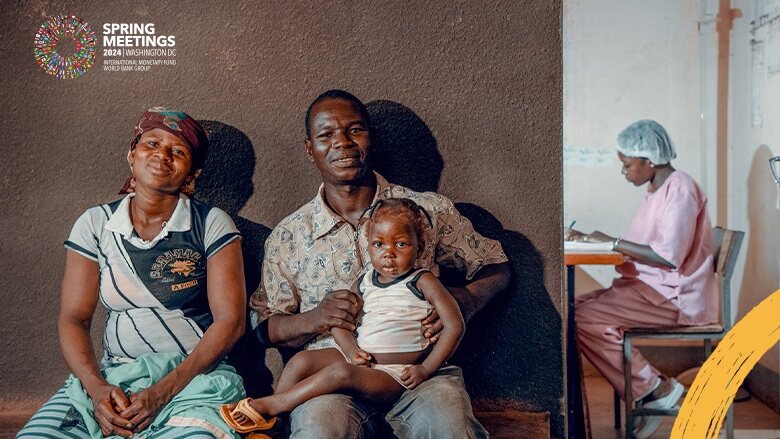
There is growing evidence about how critical the early years are to a child's development. It is becoming increasingly clear that the development of the brain in the early years is a pathway that affects physical and mental health, learning, and behavior throughout the life cycle. Evidences show that children who are well nurtured during this period tend to do better in school and stand a better chance of developing the skills required to contribute productively to social and economic development. Brain DevelopmentMedical research has demonstrated that the most rapid period of brain development occurs in the first few years of life and that the experiences of early childhood have an enduring effect on an individual's future learning capacity. What the Research Says - Brain development that takes place prenatally and in the first year of life is more rapid and extensive than previously suspected;
- Brain development is much more vulnerable to environmental influence than we ever suspected;
- The influence of early environment on brain development is long lasting;
- The environment affects not only the number of brain cells and number of connections among them, but also the way these connections are "wired;"
- Early stress has a negative impact on brain development.
NutritionThe effect of undernutrition on young children (ages 0-8) can be devastating and enduring. It can impede behavioral and cognitive development, educability, and reproductive health, thereby undermining future work productivity. Since growth failure occurs almost exclusively during the intrauterine period and in the first two years of life, preventing stunting, anemia, or xerophthalmia calls for interventions, which focus on the very young. Whether or not children are well-nourished during their first years of life can have a profound effect on their health status, as well as their ability to learn, communicate, think analytically, socialize effectively and adapt to new environments and people. Good nutrition is the first line of defense against numerous childhood diseases, which can leave their mark on a child for life. In the area of cognitive development, "when there isn't enough food, the body has to make a decision about how to invest the limited foodstuffs available. Survival comes first. Growth comes second. In this nutritional triage, the body seems obliged to rank learning last." (Sagan and Druyan) Good nutrition and good health are very closely linked throughout the lifespan, but the connection is even more striking during infancy. Over half of child mortality in low-income countries can be attributed to malnutrition. HealthMany of the most prevalent infections and diseases -- acute diarrhea, malaria, measles, and intestinal parasites-- tend to achieve their highest incidence during the early childhood (here defined as from birth to age eight) phase and claim millions of young lives a year. Stunted physical growth and development have been traditionally viewed as the major consequence of ill health in early childhood, but there is now growing recognition that there are also consequences for mental and intellectual development. The long-term consequences of events in early childhood for human capital and productivity are difficult to assess directly, but associations have been shown with proxy measures such as physical growth. Stunting is associated with reduced physiological capacity and work output, and reduced physical growth and poor educational achievement both have negative consequences for employability. Primary prevention or remediation in early childhood is needed to avoid these constraints on physical and intellectual development and their long-term consequences for human capital development. For many of the most prevalent conditions, cheap and simple interventions of proven effectiveness (such as immunization against measles, ORT for diarrhea, and anthelminthics for parasitic infections) are already part of programmatic experience, while other interventions (such as the use of bed-nets for controling malaria) have proven to be effective at the operations research level. A comprehensive program of care for young children, however, extends beyond disease control. The rate of recovery from measles, for example, is enhanced by Vitamin A supplementation, and over half of child mortality in low-income countries can be attributed to malnutrition. The promotion of early child development implies the need for the early delivery of a comprehensive package of interventions through a cost-effective and sustainable approach. The World Health Organization (WHO) has developed an integrated approach to the assessment, classification, treatment, and counseling of sick children and their caretakers. The approach forms the basis for new treatment guidelines. It provides for integrated management of childhood illness (IMCI): acute respiratory infection, diarrhea, malaria, measles, and malnutrition. Sources and References- Carnegie Task Force on Meeting the Needs of Young Children, Starting Points, 1994
- Sagan, C., A. Druyan. 1994. "Literacy -- The Path to A More Prosperous, Less Dangerous America." Parade Magazine, March 6, 1994.
- Bundy, Don. 1996. Health and Early Child Development Paper prepared for World Bank's conference on Early Child Development: Investing in the Future, April 8 & 9, 1996. Claeson, Mariam. 1996. Guide for the Introduction of Integrated Management of Childhood Illness. (Support for Analysis and Research in Africa (SARA); Health and Human Resources Analysis for Africa (HHRAA); USAID, Africa Bureau, Office of Sustainable Development in collaboration with BASICS, 1996).
- Integrated Management of the Sick Child.1995. Bulletin of the World Health Organization. 73(6):735-740.
|