The Adolescent Girls Initiative: Investing in Young Women as Smart Economics

In October 2008, the World Bank launched the Adolescent Girls Initiative, (AGI), a public-private partnership to promote the transition of adolescent girls and young women from school to productive employment and economic empowerment.
The initiative is currently being implemented in five other countries: Afghanistan, Jordan, Lao People’s Democratic Republic, Rwanda and South Sudan. An expansion to Haiti and Yemen was announced in October 2010. Overall, the initiative targets some 20,000 adolescent girls and young women.
In this framework, various interventions will be tested and scaled-up or replicated, if successful. The menu of interventions, based on emerging good practices around the world, ranges from business development skills training and services, to technical and vocational training, targeting skills in high demand.
In all projects, girls will receive life-skills training to address the most important barriers to the development of adolescent girls’ economic independence. Because the evidence on what facilitates the transition of adolescent girls and young women to productive work is thin, rigorous impact evaluation is an important part of the initiative. Impact evaluations will also help build the case for replication and scaling up, based on rates of success.
Partnerships
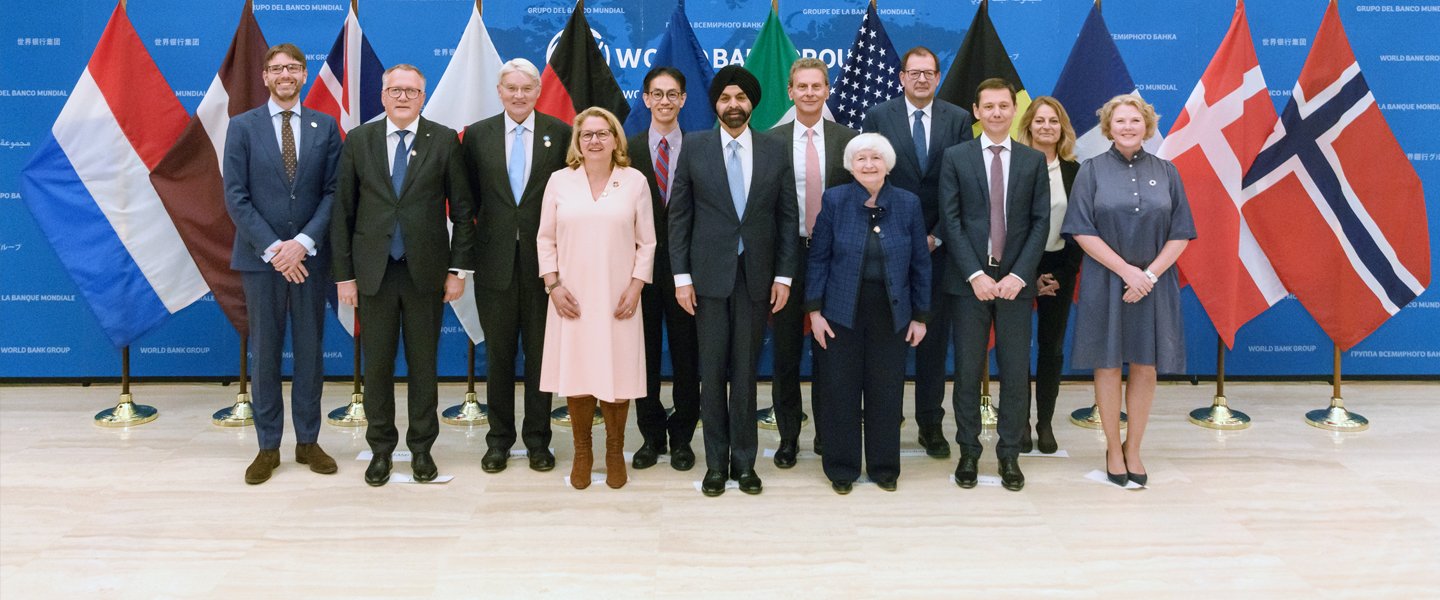
Donors to the Adolescent Girls Initiative (AGI) include: Australia, Denmark, Norway, Sweden, the United Kingdom, and the Nike Foundation. The Bank’s Gender Action Plan has also supported the AGI country projects. Currently, total pledges to the initiative stand at US $20 million.
The AGI has partnered with the Girl Hub—an initiative of the United Kingdom’s Department for International Development (DFID) and the Nike Foundation, which aims to be part-advisor, part-catalyst, and is built from an extended network of organizations and individuals from the global south and north.
Another AGI partner is the DFID global resource centre that supports governments of developing countries in delivering better programs, services and policies for adolescent girls.
Impact Evaluation
The objective of each AGI evaluation is to identify the impact of the program on the well-being of program participants. In each impact evaluation, young female participants are assessed at the beginning and end of the project and compared to a “control” group of women who do not (or have not yet) participate in the program. The methodologies of the impact evaluations vary, but in all cases this comparison group methodology will be used.
At the end of the three year initiative, a core set of indicators will have been developed across countries. Lessons will also have been learned, providing evidence of what works best when promoting the economic empowerment of young women.
Since the outcomes of interest include much more than just economic measures, such as employment and income, both the subjective and objective outcomes for young women will be measured.
The AGI has the potential to impact a wide range of socioeconomic behaviors and outcomes, such as marriage and fertility, time use, knowledge of gender-based and other types of violence, and savings and loans. The surveys will also evaluate changes in empowerment, as measured by proxies such as physical mobility, aspirations for the future, and control over household resources. By looking at a wide range of outcomes, the evaluations seek to reveal a complete picture of how these interventions change lives.
By building cross-country evidence of the impact and cost-effectiveness of the AGI programs, these evaluations will be vital for future policy decisions, including the potential upscaling of the initiative. In addition, the detailed evidence gathered here will allow for adjustments in the design and targeting of both the AGI and similar empowerment programs for adolescent girls around the world.
Progress to Date...
Afghanistan
The project, which was implemented at the end of 2010, is being carried out in Balkh Province and targets some 2,000 girls. Balkh was selected because of its potentially high demand for female employment, the availability of NGOs and training institutions which cater to women, as well as for security and accessibility reasons. The skills training focused on requirements in the health care sector—such as community midwives, and on the need for office skills, such as computer literacy, proficiency in English, financial and office management.
Liberia
This project provides professional and business development skills training and work placements, in areas such as catering, painting, driving and professional cleaning, to 2,500 girls in eight communities across Greater Monrovia and Kakata City. It was launched in 2010 by Her Excellency Madam Ellen Johnson-Sirleaf, President of the Republic of Liberia.
Nepal
This project involves training over 4,375 young women in some 50 districts nationwide. It aims to provide technical skills, for which there is a proven demand in the local labor market, and “life skills,” which address the challenges faced by girls in Nepal. It is being implemented by the NGO Helvetas and the second round of training started in late 2010.
Rwanda
This initiative, which was launched at the end of 2010, aims to provide some 2,000 young women (aged between 15 and 24) with technical training and life skills. Participants will learn about horticulture, agro-processing, tourism, arts and crafts, technical servicing, solar technology, ICT and secretarial services and will be encouraged to form cooperatives, in which they will partner up with local entrepreneurs. They will also receive psycho-social support.
South Sudan
In South Sudan, the project will provide technical, business development and life-skills training to 3,000 adolescent girls (aged between 15 and 24) across four states. The girls will receive access to savings clubs and micro-credit and the initiative will establish some 100 village-level Adolescent Community Clubs—safe spaces in which young women can be trained and socialize. It is being implemented by BRAC, an international NGO.
Jordan
This pilot project aims to serve recent community college graduates. Participants were selected by lottery in July 2010, when vouchers were made available to them. Skills training for young girls then began in September. Gender-friendly training programs will also be launched for commercial companies, together with tests such as small financial incentives designed to encourage businesses to hire people.
Lao PDR
This project, which was launched at the end of 2010, aims to build the capacity of unemployed young women and men. Project preparation found that nearly two-thirds of small and medium-sized enterprises in Lao PDR are owned by women, although they tend to be smaller than male-owned businesses. Women entrepreneurs are typically younger, less educated, have less motorized equipment, and fewer assets than their male counterparts. In response to these findings, the initiative uses a public-private partnership model to strengthen the supply of skilled youth and demand, in order to create more economic opportunities for Lao youth.
Why Adolescent Girls?
Investing in the economic empowerment of adolescent girls is one of the most powerful development multipliers there is. Evidence shows that a girl’s education, health and wealth can have a positive impact on both her family’s livelihood and that of the community as a whole. However, adolescent girls in most regions of the developing world experience a more difficult transition to adulthood than adolescent boys.
Girls’ fast-rising schooling gains have not resulted in more or better opportunities for them in the workforce. Pregnancy is still the most significant cause of death for women aged between 15 and 19 in the developing world. Helping girls and young women stay in school, avoid early pregnancy and marriage, build capital assets, and find jobs is critical to helping them gain economic independence, as well as improving their standard of living and that of their families.
Investing in adolescent girls is a timely and strategic investment. Young women who are more educated, earn income, and have greater access to reproductive health information and services are more likely to delay marriage and childbirth.
They are also more likely to produce healthier babies, attain higher rates of literacy, and grow into productive adults who contribute far more to the economic and social growth of their countries.
Click here to download the full 2011 Gender Action Plan booklet
more from The Adolescent Girls Initiative
The AGI in Liberia | April 2011
Cash Transfers-An Incentive to Thrive... | April 2011
Educate a Woman, Build a Nation | October 2010
Liberian Oak…Young Women Plant the Seeds of Their Future | May 2010
view all Adolescent Girls Initiatives | Gender Initiatives Homepage


RSS