Following 2011 Annual Meetings, September 26, 2011
Video Streaming
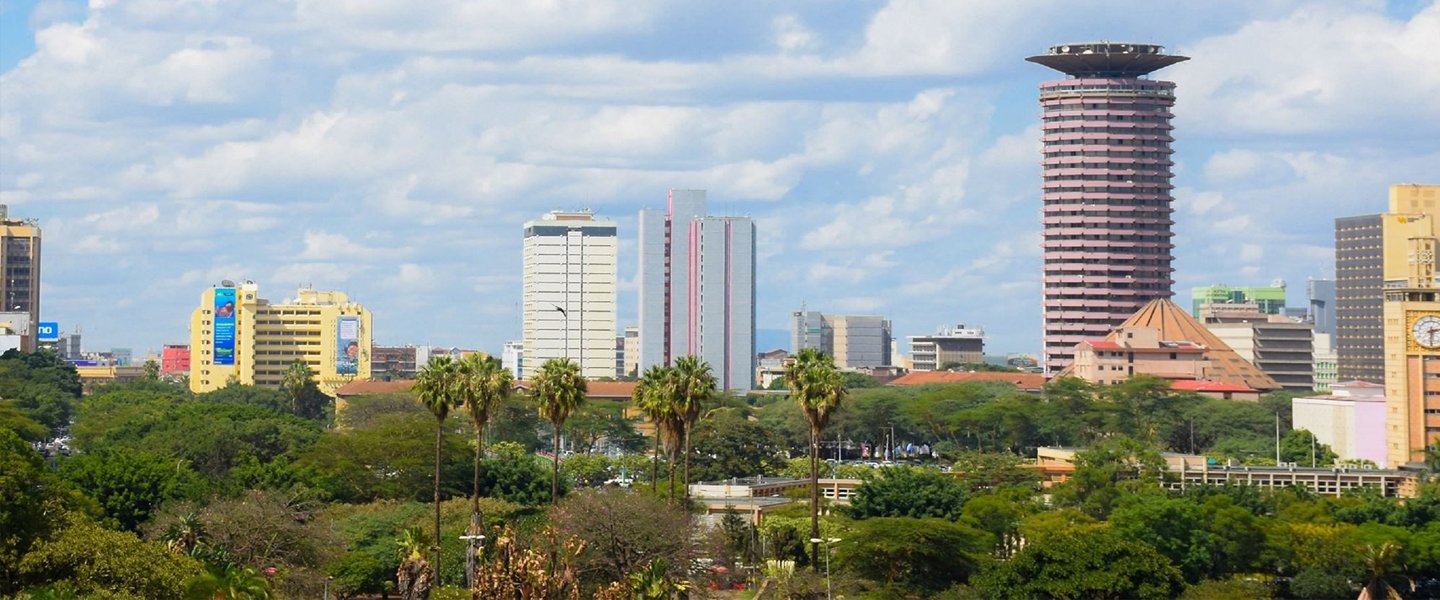
The new Women, Business and the Law report from the World Bank and IFC released today finds that women still face legal and regulatory hurdles to fully participating in the economy. Women, Business and the Law 2012: Removing Barriers to Economic Inclusion finds that while 36 economies reduced legal differences between men and women, 103 out of 141 economies studied still impose legal differences on the basis of gender in at least one of the report’s key indicators. The report also identifies 41 law and regulatory reforms enacted between June 2009 and March 2011 that could enhance women’s economic opportunities. Globally, women represent 49.6 percent of the population but only 40.8 percent of the workforce in the formal sector. Legal differences between men and women may explain this gap. The report shows that economies with greater legal differentiation between men and women have, on average, lower female participation in the formal labor force. “Competitiveness and productivity have much to do with the efficient allocation of resources, including human resources,” said Augusto Lopez-Claros, Director, Global Indicators and Analysis, World Bank Group. “The economy suffers when half of the world’s population is prevented from fully participating. It is certainly no surprise that the world’s most competitive economies are those where the opportunity gap between women and men is the narrowest.” The report measures such things as a woman’s ability to sign a contract, travel abroad, manage property, and interact with public authorities and the private sector. In all economies, married women face more legal differentiations than unmarried women. In 23 economies, married women cannot legally choose where to live, and in 29 they cannot be legally recognized as head of household. Every region includes economies with unequal rules for men and women, although the extent of the inequality varies widely. On average, high-income economies have fewer differences than middle- and low-income economies. The Middle East and North Africa have the most legal differences between men and women, followed by South Asia and Africa. In Africa, a notable exception is Kenya, which leads globally with the most gender-parity reforms during the past two years. Regionally, the most improvements in gender parity occurred in Latin America and the Caribbean, Europe and Central Asia. Welcome remarks: Janamitra (Dev) Devan, Vice President and Head of Network, Financial and Private Sector Development, the World Bank–International Finance Corporation (IFC) Presentation of Women, Business and the Law 2012 report Augusto Lopez Claros, Director, Global Indicators and Analysis Department, Financial and Private Sector Development Vice Presidency, the World Bank–International Finance Corporation (IFC) Panelists: Gender Equality Component in the Operations of the International Development Community Jeni G. Klugman, Director, Gender and Development Department, Poverty Reduction and Economic Management Vice Presidency, the World Bank
Human Rights and Economic Empowerment: Key Elements to Achieve Gender Equality Layli Miller-Muro, Founder and Executive Director, Tahirih Justice Center, a non-profit
Gender Dimension from the Perspective of a Legal Practitioner and Professional Sovaida Ma’ani Ewing, International lawyer and author Moderator: Dahlia Khalifa, Advisor to the Global Indicators and Analysis Department, Financial and Private Sector Development Vice Presidency, the World Bank–International Finance Corporation (IFC) Closing remarks: Augusto Lopez Claros, Director, Global Indicators and Analysis Department, Financial and Private Sector Development Vice Presidency, the World Bank–International Finance Corporation (IFC) |


