UNAIDS figures published in December 2005 show that:
An estimated 40.3 million (between 36.7 million and 45.3 million) people were living with HIV worldwide in 2005
In 2005, 4.9 million (between 4.3 million and 6.6 million) people were newly infected with HIV
About 95 percent of people living with HIV and AIDS are in low and middle income countries
About 10 percent of the people in low and middle income countries who need anti-retroviral drugs were actually receiving them in mid-2005. This falls far short of the "3 by 5" goal, but is a huge increase since 2003.
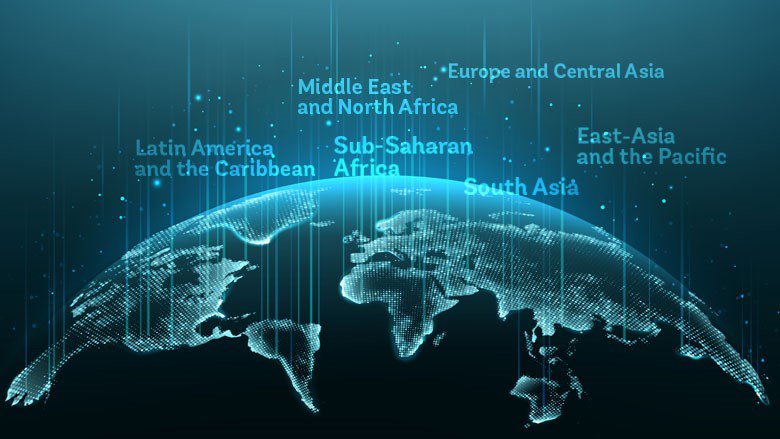
The number of people living with HIV/AIDS in each region in 2005 was as follows:
HIV/AIDS can have a devastating economic impact on countries with severe infection rates. Estimates suggest when the prevalence of HIV/AIDS reaches 8 percent - about where it is today for 13 African countries - the cost in terms of economic growth is estimated at about 1 percent a year.
The Human Cost
In 2001, at least 15 percent of children in 10 sub-Saharan African countries had lost one or both parents to AIDS or associated causes. Because of the 10-year time lag between infection and death, the number of orphans will continue to rise for at least the next decade. By 2010, it is estimated that 20 million children will have lost a parent to AIDS in sub-Saharan Africa alone.
Every day 2000 babies are infected with HIV during pregnancy, at birth or through breastfeeding. Without effective medical interventions, at last one third of the infants born to HIV-positive mothers contract the virus. Most of the infants that contract the virus will die before their fifth birthday.
Every day there are about 13,400 new HIV infections worldwide. Of these more than 95 percent occur in low and middle income countries and about 1800 are among children under 15.
In 9 severely affected sub-Saharan African countries, life expectancy at birth has dropped below 40 years. South Africa has the largest number of people living with HIV - more than 5 million.
Ignorance Remains a Problem
In sub-Saharan Africa, where three girls are infected for every boy, half the teenaged girls interviewed in one survey, did not realize that a healthy-looking person could be HIV-positive.
In the Ukraine, 39 percent of teenagers had never heard of AIDS or still believe that HIV can be transferred through supernatural means.
The World Bank's Work On HIV/AIDS
In the past six years, the World Bank has committed about US$ 2 billion through grants, loans and credits for programs to fight HIV/AIDS
The Multi-Country HIV/AIDS Program (MAP) for Africa, first launched in September 2000, has committed US$ 1.2 billion to 29 countries to fight HIV/AIDS
In the Caribbean, the MAP has committed US$ 118 million for nine countries and one regional project.
For the poorest and most debt-burdened nations, World Bank support for HIV/AIDS projects can be up to 100 percent grant financed.
In April 2004, the Bank entered into a partnership with the Global Fund, UNICEF, and the Clinton Foundation to make it possible for developing countries to purchase high-quality AIDS medicines at low prices. The drug agreements could save from US$ 150 to US$ 400 per patient per year while the diagnostics agreements will result in savings of up to 80%.
To encourage countries to use Bank funding for treatment, the US$ 60 million Treatment Acceleration Project (TAP) was approved in June 2004. The TAP's grants to Burkina Faso, Ghana and Mozambique are using public sector/civil society partnerships to scale up treatment.
World Bank Financing for HIV/AIDS (this link will open an Excel spreadsheet outside of your browser window) An excel file, listing all active and recently approved HIV/AIDS projects with funding of at least US$1 million for HIV/AIDS. Includes date approved, type and amount of financing committed, and disbursements to date.